
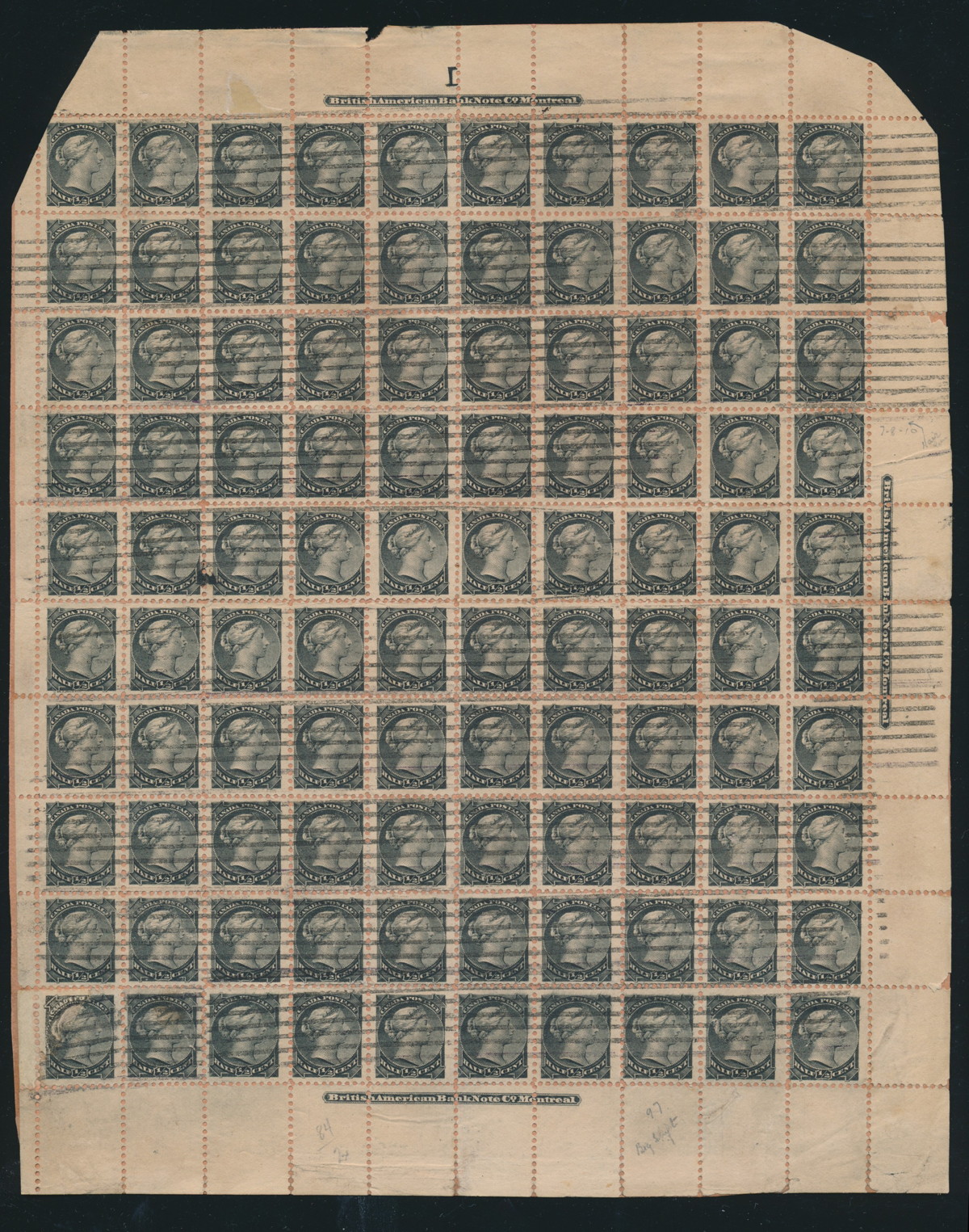
 Lot 617 Canada precancel Type I-34 1882 ½c black Small Queen with Type I Precancel The right hand pane of Plate 1 with 3 imprints and 4 major re-entries all in a precancelled used pane. Centering is typical and ranges from just fine to very fine. The pane is still attached to original manilla paper backing and has been trimmed at top causing damage to stamp position 1. This pane is illustrated in the Canada Precancel Handbook on page 68 and is one of only two known Small Queen used panes (the other is a three cent value). The catalogue value for a single precancel is $100 and there would be obvious premiums for multiples, re-entries, imprint blocks and for a whole pane. Generally fine or better. Estimate $3,000.
Lot 149 — Canada #45var Montreal Gazette printing imprint strip
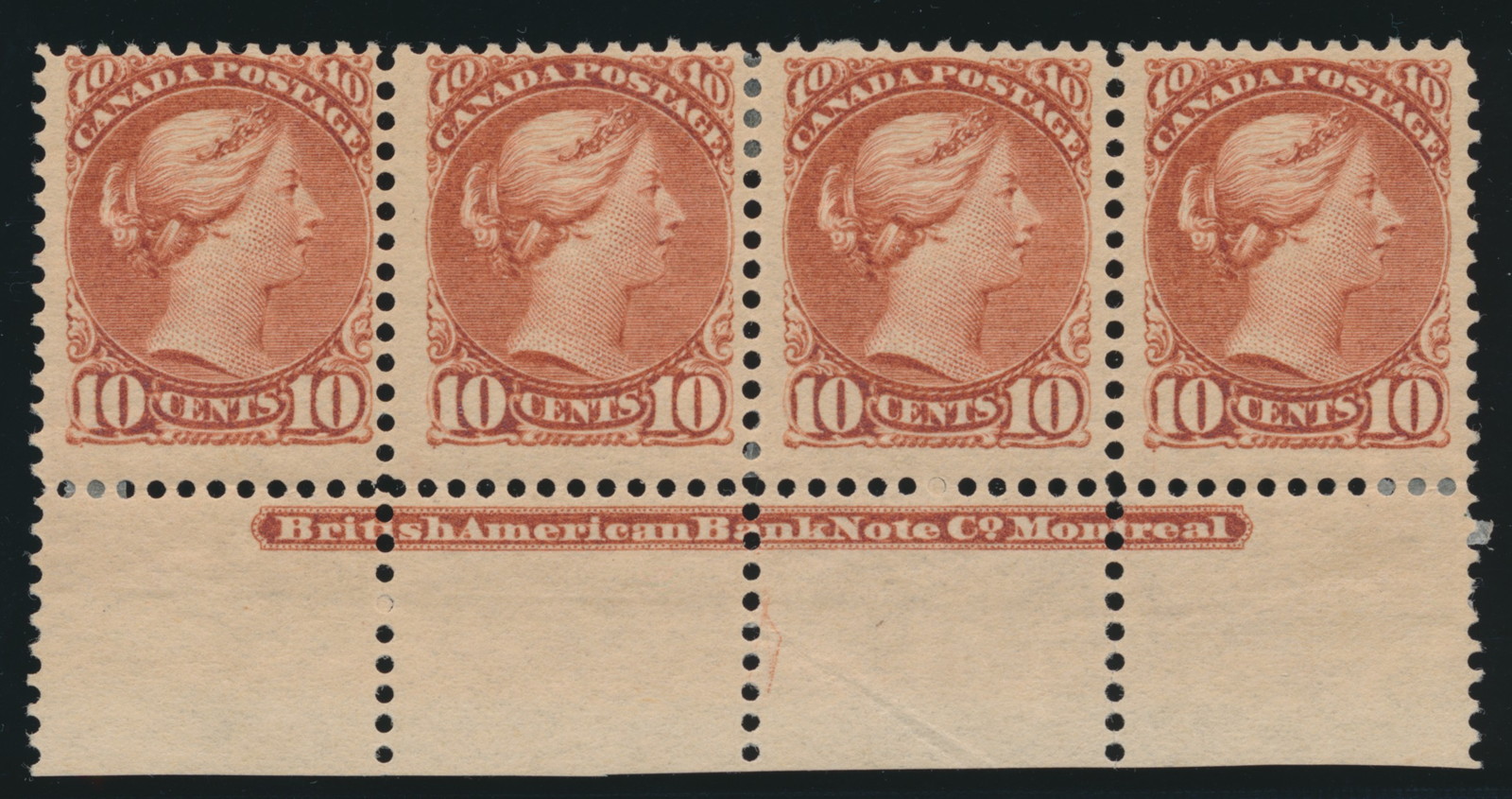 Lot 149 Canada #45 1888 10c brown red Small Queen Full Imprint Strip, Perforated 12×12¼, All four stamps have a position dot and with this perf measurement, the strip must be a Montreal Gazette printing. Imprint reads “British American Bank Note Co. Montreal”. The stamps have deep, rich colour, full original gum, light hinge remnants and there is a trivial crease in the selvedge, visible in fluid, which does not extend to the stamps. Estimate $1500.
The Hamlet Collection of British Commonwealth — Lots 735-991
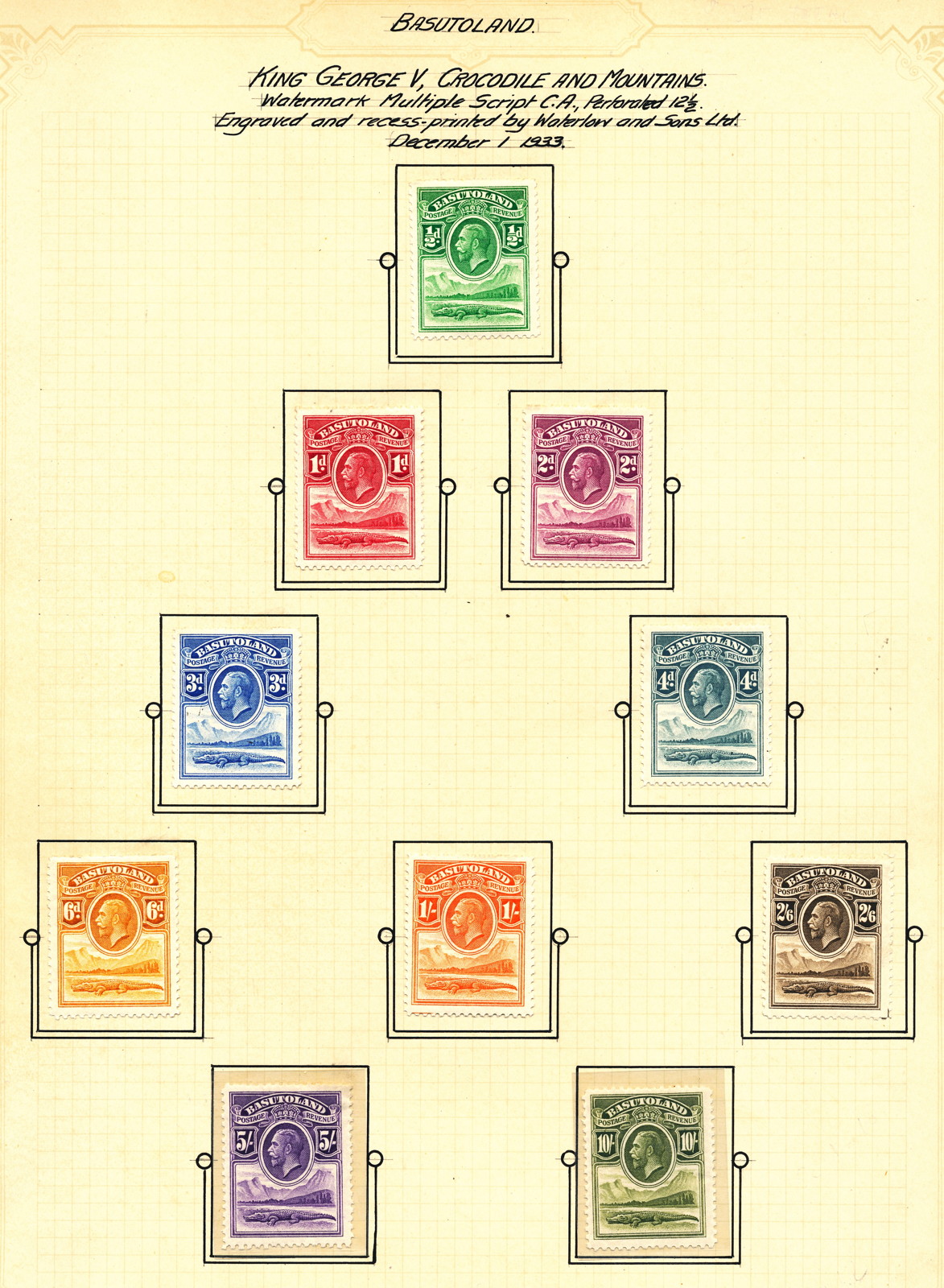
One of the joys of the auction experience is viewing a collection where the personality of the collector shines through in a positive way. The Hamlet collection was built slowly, like a pastime, by a father and son together. They built their collection carefully, from Aden to Zanzibar, and laid out and prepared each page by hand. And each had a distinctive style which we show here. The hobby which the two shared was not graced with a large budget but there were consistent and common standards of for colour, hinging, centering and quality.
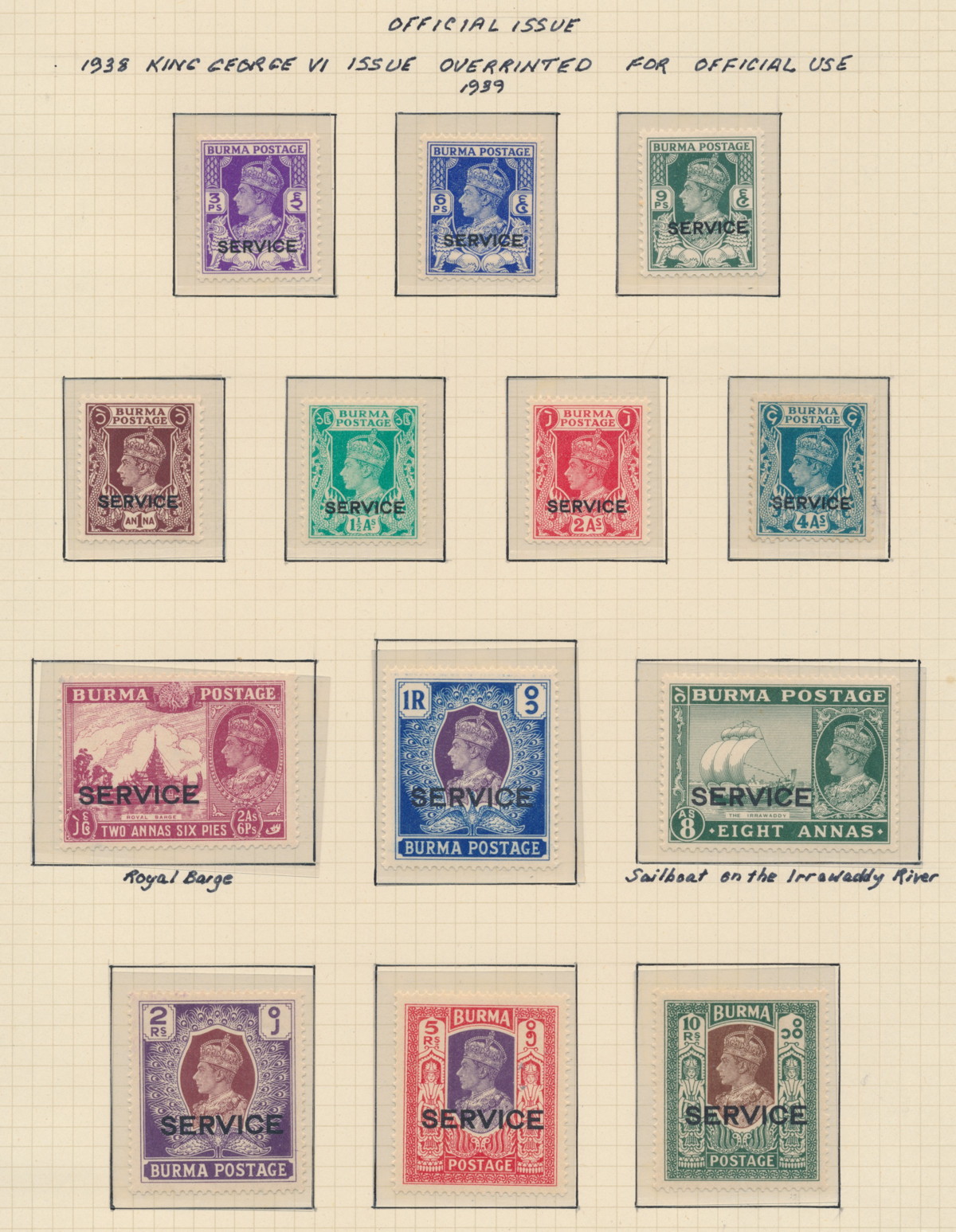
The Hamlet Collection can be found beginning at this link on StampAuctionNetwork.
The Moseley Collection of Great Britain Penny Reds — Lots 703-718
The Great Britain Penny Red of 1841 is the world’s third stamp and is likely the world’s most studied stamp.
Penny Reds made their debut early in 1841 to replace the Penny Black because a postmark could more easily seen on the red-brown colour. They were the most commonly used stamp in the world for 39 years until 1880.
When compared with other classic issues they have two major advantages for general or specialized collectors: they are plentiful, and for the most part relatively inexpensive.
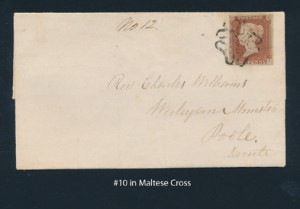 During the period of their use changes included re-engravings, different alphabets for the corner letters, the introduction of perforations, changes of watermarked paper, quite different shades in the colour, and in 1864 a modification in the design by introducing letters in all four corners. Because the corner letters were individually entered by hand it is often possible to use the specialized literature to identify which of the many plates was used to print an individual stamp.
Plating became a passion of the collector who assembled the Moseley Collection. When you add varieties such as re-entries, guidelines, and the fascinating field of postmarks it is possible to spend a lifetime with this issue.
Included in the collection is the ten-frame Exhibit which we offer intact as lot 703. The identification of plates and other varieties throughout has followed those determined by the collector.
The Hillside Collection of Canada Admirals — Lots 252-423
The Hillside Collection was formed by a gentleman living in a smaller city far from any of the major stamp centers.
As he accumulated more and more Admirals, he purchased a copy of Marler’s essential work as well as other literature and started to look for the unusual and esoteric.
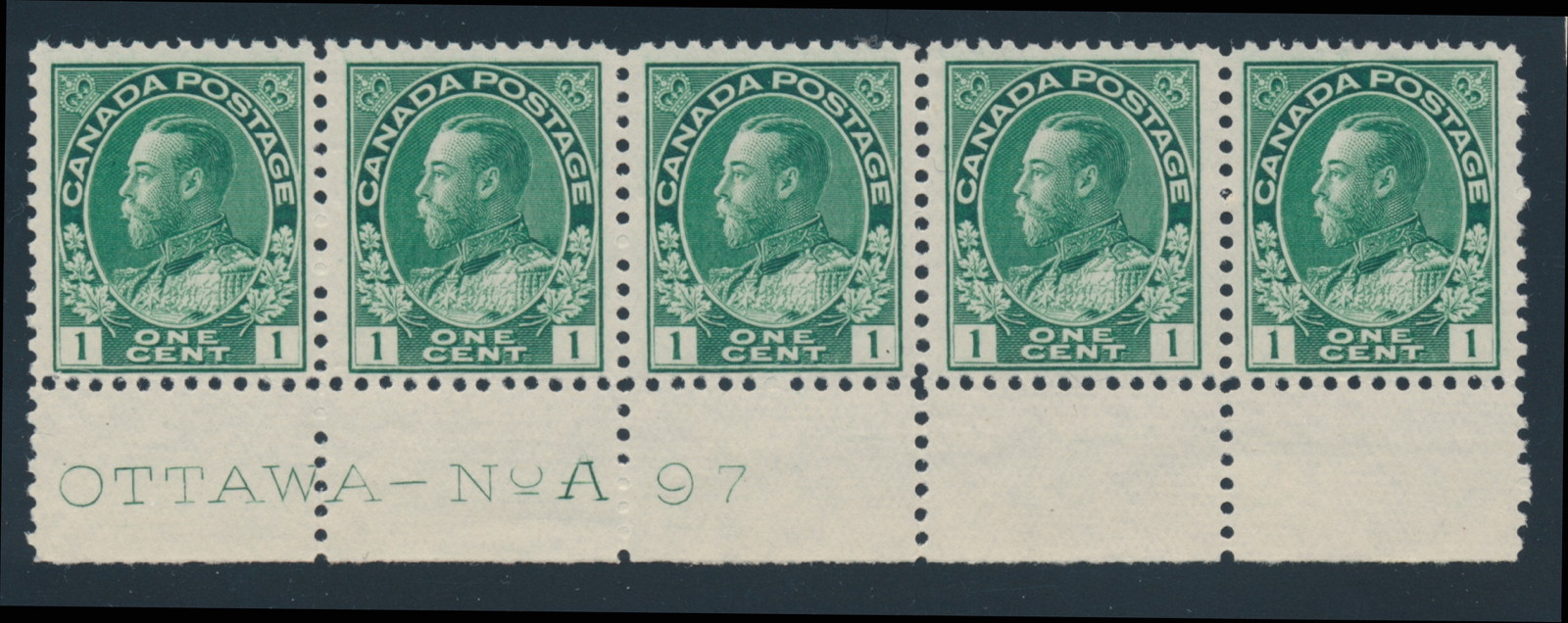
Over the course of a lifetime and some sixty years of collecting Admirals, he had a number of opportunities to add some rarities within a relatively limited budget. The collection was carefully organized in four large stockbooks.
Sparks arranged to have Leo Beaudet, a longtime member of the BNAPS Admiral Study Group, examine the collection. The report which Leo prepared has formed the basis for many of our descriptions. And, based on the number of high resolution scans we made for Leo’s reference, the readers of the The Admiral’s Log can look forward to some future commentary based on this collection.
The collection includes lathework, re-entries, plate strips, printing varieties, shades, multiples, postal history, as well as wholesale quantities. It should offer something to those beginning to collect this fascinating fi eld and to advanced collectors of the issue. Pencilled notations in selvedge refers to date of purchase at Post Office.
We are pleased to offer this collection.