
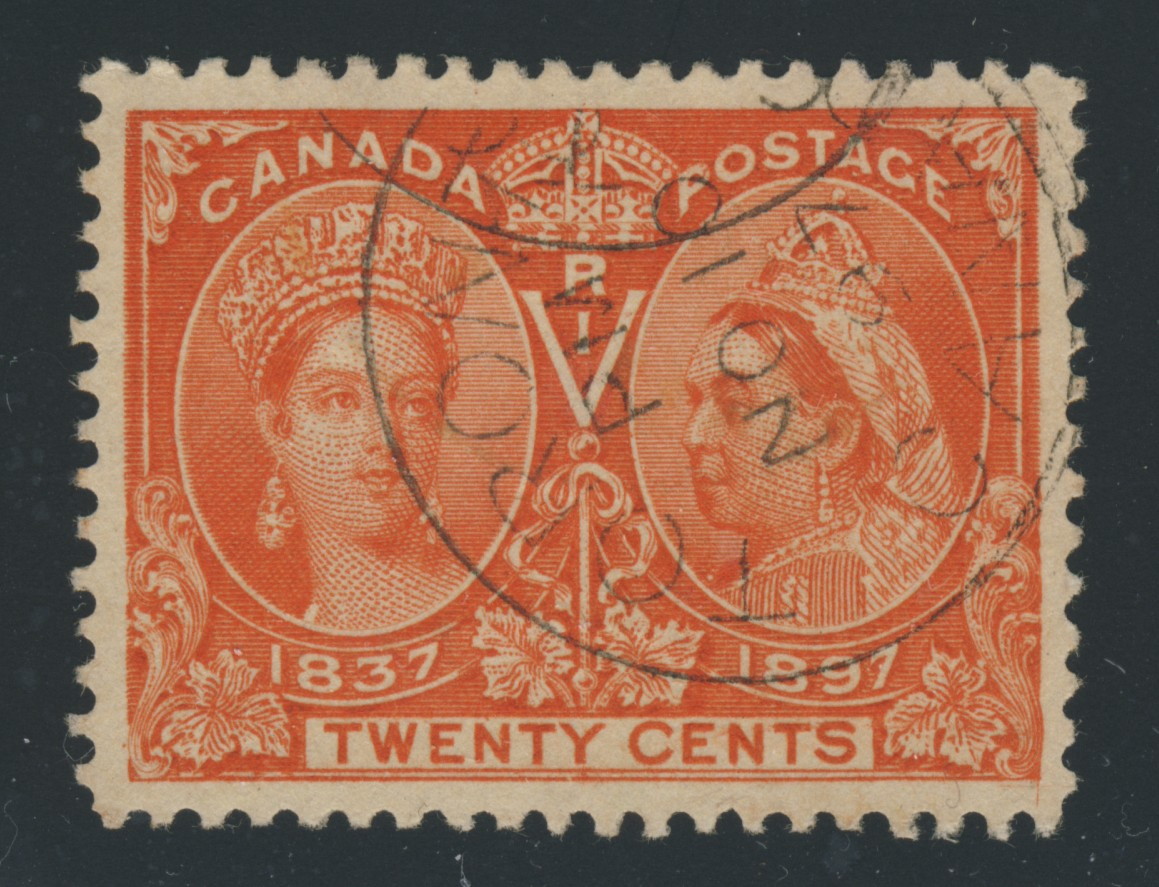
 1897 20c vermilion Jubilee, showing prominent extended frameline variety at lower right, perfectly centered with large even margins, Toronto NO.10.1897 cds cancel, extremely fine. Unitrade CV$250, realized #575
Queen Victoria Jubilee
Lot 198 — Canada #57 mint never hinged, sold for $604
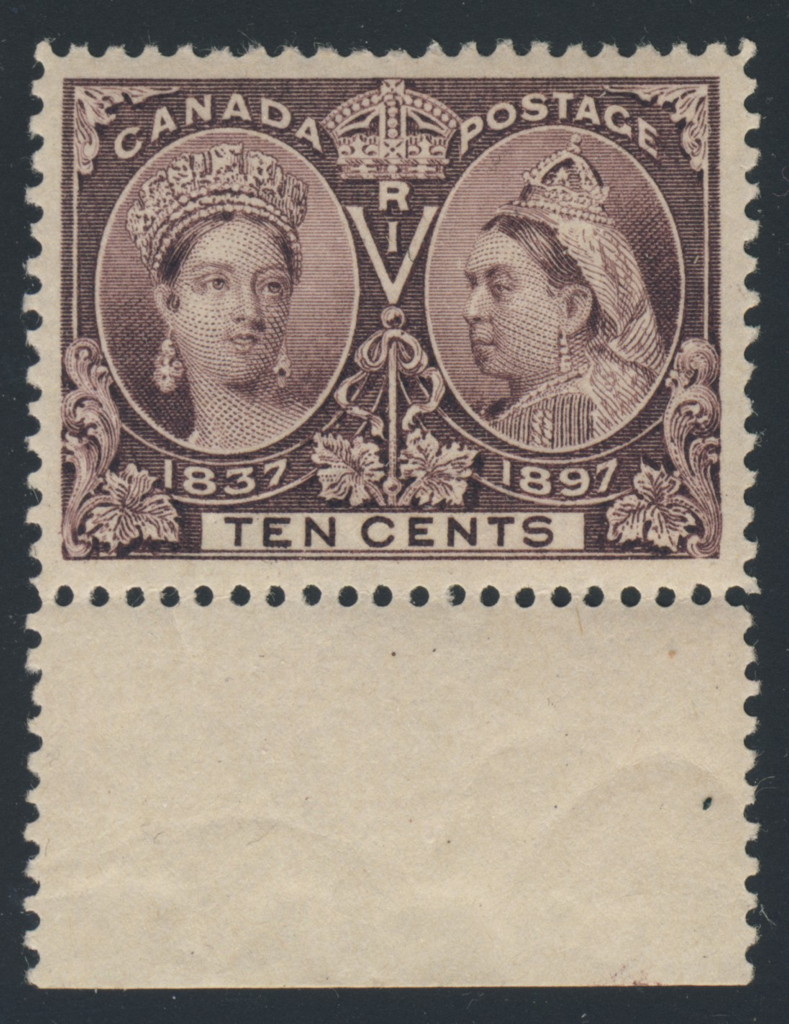 1897 10c brown violet Jubilee, lovely mint never hinged single with bottom selvedge, fresh, mathematically centered and extremely fine, ex. “Trillium” Collection and accompanied by 2011 Greene Foundation certificate. Unitrade CV$600, realized $604.
Lot 186 — Canada #50 used, sold for $195
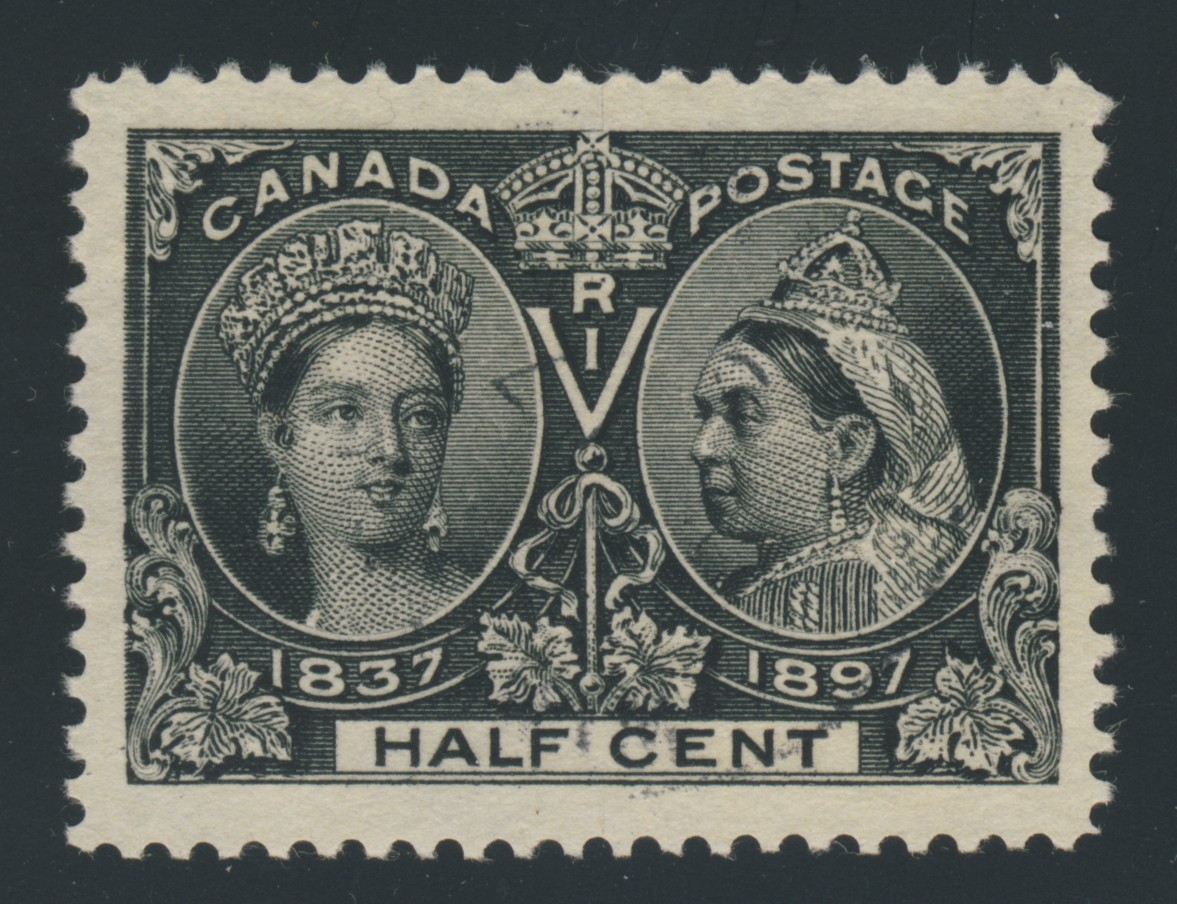 1897 ½c black Jubilee, used with very light cds cancel, well centered within what can only be called gigantic margins and with razor sharp impression, extremely fine and worthy of the finest collection. Unitrade CV$150, realized $195.
Auction 7 Followup #7 — Bidding Analysis
Here is a strong realization from the British Commonwealth Section.
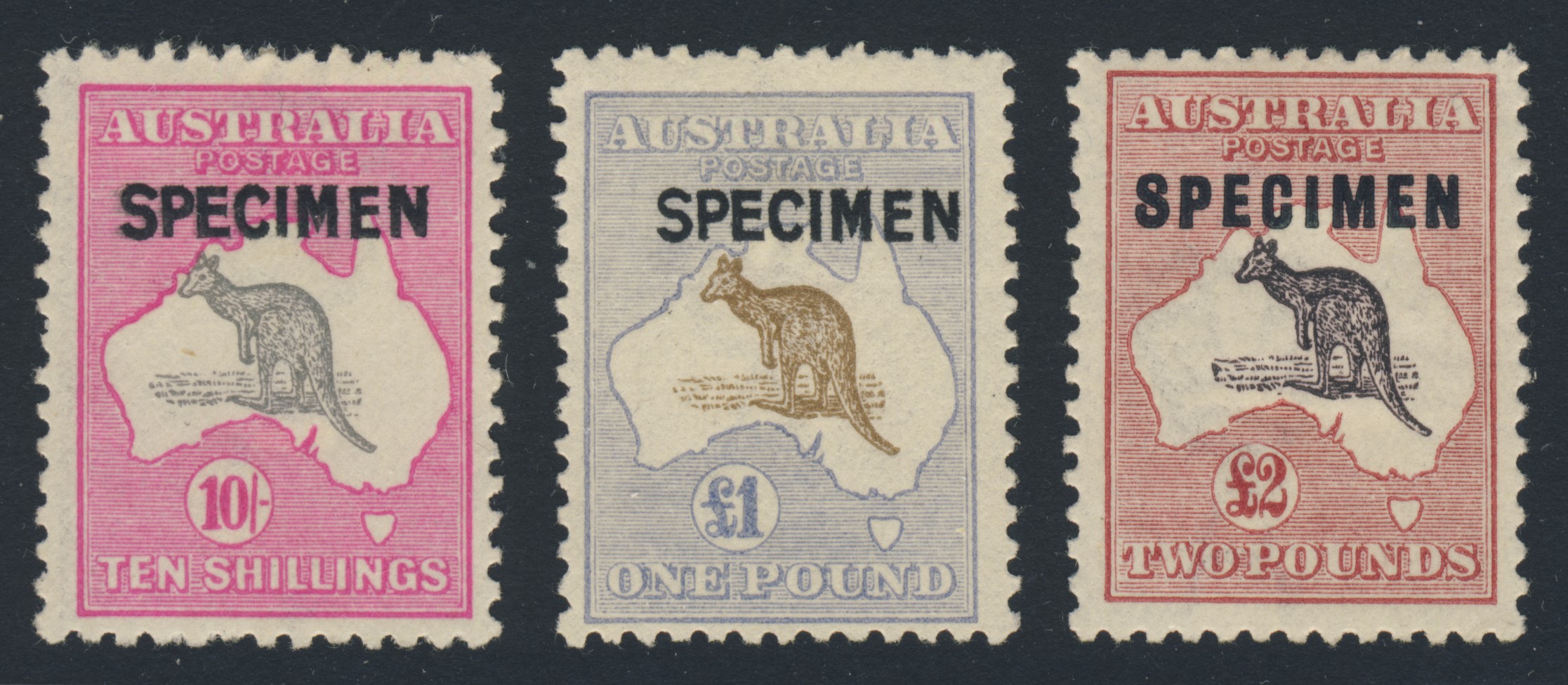
Lot 927; realized $488
This lot estimated at $200 received nine advance bids, then opened and sold to the book at $425 against the top bid of $575. That was strong but this next lot was spectacular:
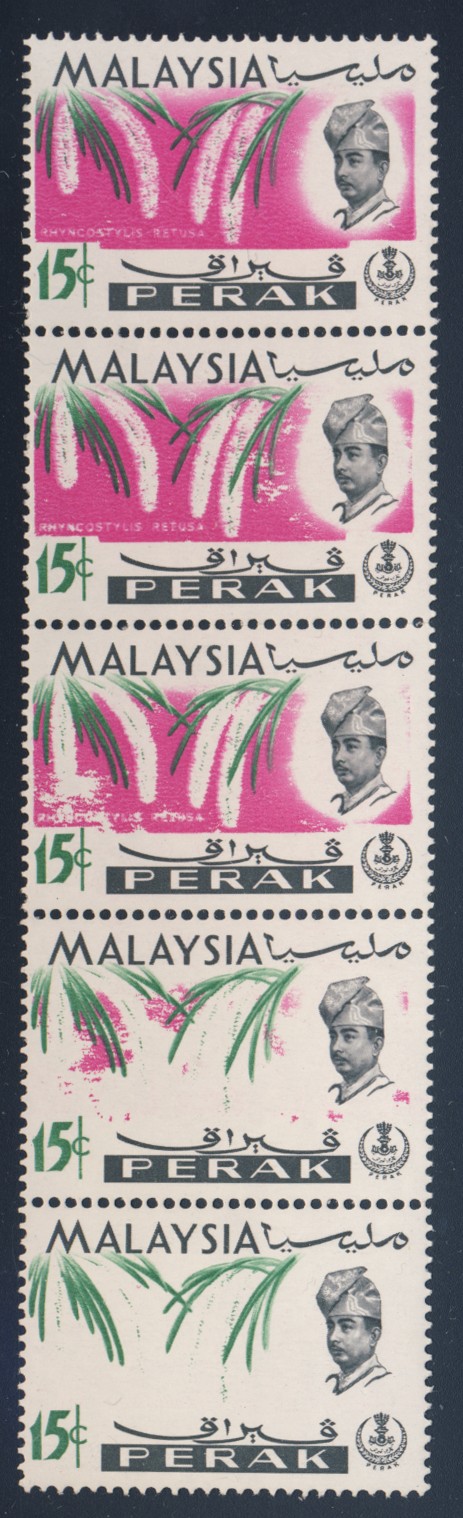
Lot 975; realized $1840.
When we estimated this at $100 we clearly did not anticipate the demand. We received seven advance bids and opened it at $700. The internet attacked our top book bid and up it went to sell for a hammer of $1600 which was $400 below the top bid.
We know from the questions people ask us that there is both a lot of curiosity about how auctions are run, and there are also a lot of misconceptions.
In Auction #7 we had 1846 lots and before the auction started we received from traditional sources like mail and also the internet a total of 7140 bids or very nearly four bids for every lot. That is an impressive total.
If a mathematician was asked to randomly distribute numbers into 1846 categories, the distribution would look nothing like the actual distribution in the bidbook. I gave these figures to an experienced auctiongoer who is conversant with mathematics and asked him to guess how many bids were received for the lot which received the most. His answer was 41; the correct answer is 12.
How many of the lots received no bids prior to the auction? I didn’t count but it was about twelve or a bit more. How many received ten or more? Also about a dozen with one at twelve and a handful at eleven and ten; nine was not much higher but eight bids was a significantly larger figure. The two “flattest” sections with very few highs and lows were the Healy Pass collection and B.N.A. In those two sections virtually every lot received three, four, five, or six bids.
Where did the bids come from? The top five countries were Canada, USA, Singapore, U.K., and Cyprus. After the auction when we look at who was successful the top countries were Canada, USA, U.K., Singapore and Norway. The USA is catching up to Canada, and the U.K. is typically third or fourth.
How many bidders came from the internet and how many from other sources (live on the floor, mail etc.)? There was a total of 540 different bidders, 283 came through the internet. However there were a few dozen bidders who both gave us advance bids and bid on the internet; or were on the floor for part of the auction and on the internet for part. It would take too long to sort it out but it is safe to say that half the bidders come from the internet and half the traditional way. Another thing which is important is that many of the longer invoices were from bidders who used the internet AND a traditional venue.
How many “stink” bids did we get? Some people put in a “watching” bid on the internet and are perhaps prepared to pay the full estimate and “watch” it by bidding $2; then if the lot opens above the estimate we see no further bid. It is a subjective call whether a low bid is watching or is a bid where someone hopes that no one else will bid on the mint $5 Jubilee and he will buy it for a tiny fraction of its value. If we isolate stink bids, the number is very, very low and perhaps under one percent.
All of these figures (although possibly boring to many!) tell consignors that there is an active market and all types of philatelic material can attract enough bidding that usually full market price will be realized. To our bidders: don’t despair, there are still bargains to be had!
During the next few months we will update you on the consignments for the next auction which will be in the Spring. We have already received an amazing amount only three weeks after Auction 7. Check back here regularly for news.
Highlight #13 — A Last Highlight
With these highlights, we have tried to convey a sense of the immense scope of a public auction.
To date we have barely mentioned postal history. Among the better items in Session #5 are Lots 1309, 1310, and 1311.
Lot 1311 — Canada #10 1857 6d reddish purple Consort on thick fibrous paper, with four clear to immense margins, well tied by #21 4-ring numeral cancel to cover from Parkman correspondence sent from Montreal AP.26.1857 to Boston, Mass, USA. This stamp is rarely encountered in top quality with only a handful of covers available in comparable quality. Accompanied by 1988 David Brandon certificate. Unitrade CV$10,000.
We’ve not mentioned the better items of France and Germany as well as other rarities in the worldwide section — lots like USA #1 to #4, (Lot 1113); the Czech Music Sheets (Lot 1165); many lots of classic France (including Lots 1181, 1182, 1185 and 1198); Germany with IPOSTA and two Feeding the Hungry souvenir sheets; as well as many better single items.
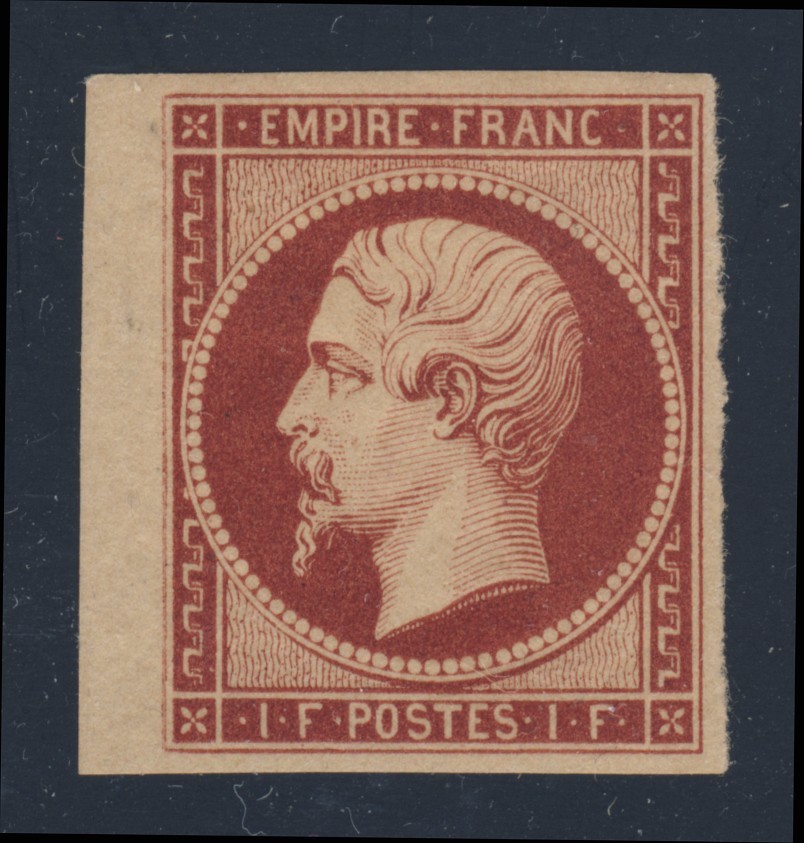
Lot 1182 — France #21c 1862 1fr lake Napoleon re-issue, lovely example with full original gum, hinged, with four large margins including sheet margin at left, very fine and a lovely stamp in every aspect. Scott CV$1800.
In the British Commonwealth only the Baden Powell stamps have been singled out, but for the first time we can offer all the Victorian high values up to the five pound Orange.
Lot 912 — Great Britain #93 1882 £5 bright orange Victoria on white paper, Anchor watermark, with good colour and a reasonable dated cancel, very fine in all respects. A lovely example of this popular high value. Scott CV$5000.
We have touched on some features in Canada but have not yet highlighted the wonderful section of the 1897 Jubilees nor the great pence issues including Lots 207, 224, 226, 234, and 235 to name just five, each worthy of being highlighted.
Lot 226 — Canada #7 1855 10d blue Cartier on thin crisp transparent paper, unused with well clear to huge margins on each side, showing adjoining stamp at right and very fine appearance but with horizontal crease and trivial corner thin. The stamp has gum, which could be redistributed original gum but identified as regummed in the accompanying 2010 Richard Gratton AIEP certificate. An attractive example of this rare mint Pence issue. Unitrade CV$12,000.
Despite all these omissions, if there is one group of lots especially worthy of being singled out it is the Healy Pass collection of plated three penny beavers. Can you see the famous gouge flaw on the scan of Lot 85? (Click the scan for an even more detailed enlargement.)
Lot 85 — 3d red on medium paper, identified as 2nd state "Gouge", nice full to large margins all around, fresh colour, tied by square grid cancel to mourning cover sent from Toronto JU.18.58 to Hamilton with next day arrival backstamp, very fine. Estimate $350.
We hope you enjoy the auction and that you are successful in your bids.